10 Ways to Reduce Returns at an Online Clothing Store
From garment measurements and fit reviews to packing and delivery, learn which changes have research behind them and how to test their effect on returns at your store.

“Too small” tells you little about what to fix. Did the shoulders pinch? Was the waistband tight? Did the shopper expect a looser cut? The answers might send you back to the size chart or prompt you to look at the pattern itself.
These ten strategies start with those distinctions. Some have been tested in experiments or studied using transaction records. Others are changes worth testing in your store. Each comes with a way to check the result.
Start with a consistent denominator. Throughout this guide, the unit return rate is the number of items returned from a group of original shipments ÷ the number of items originally shipped in that group × 100. Count items sent back for exchange. Track replacement shipments and any subsequent returns separately. Compare groups only after their return windows have closed and enough time has passed for the goods to arrive and be processed.
Suppose you ship 200 pairs of jeans. If 18 come back for refunds and 6 for size exchanges, the unit return rate is 12%. If 8 pairs come back because the waist was too tight, that reason accounts for 4% of the original 200. After revising the waist measurements, compare that 4% with the same measure for the next group of shipments.
Alongside returns, track purchase conversion, revenue after refunds, and the cost of collection, inspection and reshipping. Fewer items coming back tells you little if orders fell at the same time.
1. Find one return reason you can fix for one product
If most shoppers select “changed my mind” or “size issue,” revise the choices. Ask which part was tight or loose, whether the length or silhouette differed from what they expected, or whether the problem was the color, fabric, a defect or the wrong item. Keep the list short and let shoppers add details if they wish.
Link the reason to the product code, size and stock batch. That lets you see whether waist complaints cluster around a single size of the same trousers. A study of a UK fashion retailer’s transactions found that reasons for returns varied by product category. Its findings can guide priorities, although it did not test whether changing the list of reasons reduces returns. Research on return reasons by category
Choose a product with enough shipments and substantial return costs. Address its most common reason first. Record the date of any change to the choices, since the wording can affect which answers shoppers select.
2. Put garment measurements and measuring instructions together
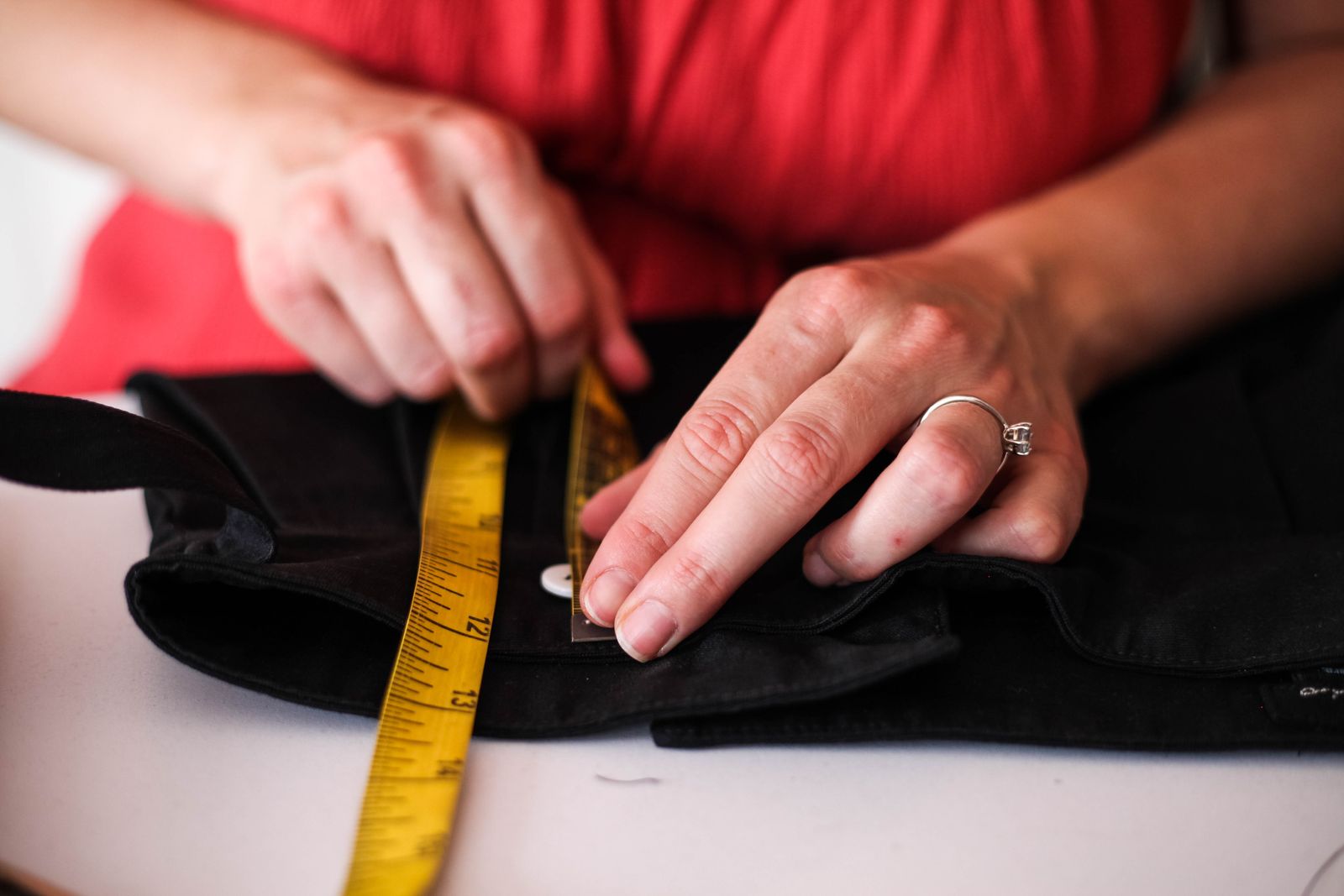
If a chart says “chest 50 cm,” say whether that is the full circumference or the width measured flat. Separate garment measurements from recommended body measurements. Show where to measure the shoulders, chest, waist and total length in a drawing or photograph. Stretch, lining and how closely the garment follows the body also matter when choosing a size.
Customers in a survey of a German online fashion retailer often mentioned poor fit as a reason for sending items back. Survey answers describe customers’ experience. They do not establish the share of actual returns attributable to fit or what would happen if the retailer revised its chart. Survey of online fashion returns
Start by measuring an item from current stock that customers repeatedly send back. Correct any discrepancy on the product page and show shoppers how to measure a garment they already own the same way. List a measurement tolerance only if you have checked it.
3. Flag a product that consistently runs small or large
Use a label such as “true to size” only when sales, returns and garment measurements support it. If you can pinpoint the difference, say so. “narrow through the shoulders” is more informative. Shoppers have different preferences for ease, so a blanket instruction to size up may be unhelpful.
Zalando’s SizeFlags team tested product-specific sizing warnings in an A/B experiment. In its apparel test, the size-related return rate fell by 4.3% in relative terms for “runs small” warnings and by 6.6% for “runs large” warnings. The system drew on Zalando’s data and prediction model. Copying the label alone has not been shown to produce the same effect. SizeFlags experiment results
Compare the size-related return rate and the share of orders containing multiple sizes for the flagged items. In the same paper’s footwear experiment, size-related returns fell while orders containing several sizes increased.
4. Show a reviewer’s usual size alongside the size they bought
“Runs small” is easier to interpret when the reader knows what the reviewer normally wears and which size they chose. Display those two sizes next to the fit rating. Shoppers can optionally share details such as height if relevant, and should still be able to review the item without them.
A study of a retailer’s review-system change found fewer returns when fit opinions were sparse or conflicting and shoppers could see both the reviewer’s size and the size purchased. Those details gave readers a way to interpret a verdict such as “fits well.” Research on fit reviews and returns
Help shoppers find a review that describes a fit they can relate to. Give varied experiences space, including less favorable ones. Track size-related returns and conversion before and after changing how reviews appear.
5. Photograph the details that shoppers ask about
Even a page full of model shots can leave the weave, lining, opacity, zipper and buttons hard to see. Supplement the front, back and side views with close-ups of details that prompt questions. Compare the photographed color with the actual item and describe any noticeable change under different lighting. Replace a vague phrase like “premium fabric” with details about thickness or stretch.
In an observational study of a womenswear retailer, greater use of zoom was associated with fewer returns. Greater use of the feature for viewing alternative photos was associated with more returns. The study could not establish that using either feature caused the difference. Think about what the next photo will reveal. Study of product images and returns
Start with one recurring question. Add a photo and caption that answer it, then track the share of shipments returned because the product differed from its photos or description. Style shots and close-ups serve different purposes on the page.
6. Follow virtual fitting through to the return
Letting shoppers see how an item might look on them is worth testing. In a randomized field experiment, virtual fit information increased conversion and order value and lowered fulfillment costs associated with returns and ordering several sizes. The tool tested in that study differed from today’s AI-generated try-on images, so its findings do not establish any particular service’s performance. Field experiment on the value of fit information
A 2025 study of 496,365 items at a Swedish fashion retailer found that shoppers who used a size finder were slightly more likely to return an item. Shoppers chose whether to use it, which limits what the study can say about cause and effect. Looking only at people who click a size-finder button would create the same problem in your store. Study of size-finder use and returns
SilkCave lets shoppers preview clothing on a photo of themselves or an avatar from the product page. Where garment and body measurements are available, a fit report can show room at different points for each size and flag details to check. Keep measurements and fabric descriptions close by. The actual fit, color and details can differ from the preview.
Start with products often returned because of fit or how they look on the wearer. People who use a tool may have more doubts to begin with. Where possible, randomly assign visitors to groups and compare conversion and returns for everyone offered the feature with everyone in the comparison group. See what to check before adding virtual try-on for photos and operating details to prepare.
7. Offer a comparison when shoppers add several sizes
When a shopper puts two sizes of one item in the cart, offer a measurement comparison or an easy way to ask a question. Some people buy for a family member or as a gift. Let them keep both items and use the information if they need it.
Wording and timing can change the result. In a randomized experiment at a German fashion retailer, shoppers who saw information about the environmental impact of returns both in the cart and after checkout were less likely to send a return shipment. Showing it only after checkout had no significant effect. The study tested an environmental message. A size comparison or a chat button needs its own test. Field experiment on messages before and after purchase
Try one prompt that addresses a problem in your store. If multi-size orders drop but more people abandon checkout, revisit the prompt. Track completed checkouts among eligible carts and the incidence of subsequent return shipments.
8. Trace recurring defects and wrong items back to dispatch
If several customers report a faulty zipper from the same batch, the product description can do little to fix it. Record what the returns inspector finds alongside the customer’s reason, then check the batch and supplier. Changed inspection criteria may catch more defects at first. Count those separately from defects that reached customers.
When a customer receives the wrong color or size, review how items are identified and checked at packing. Give look-alike variants distinct identifiers and match the item to the order immediately before sealing the parcel. GS1 US describes using barcodes to identify apparel by color and size and locate it in the warehouse. The guidance covers product identification. It gives no estimate of the reduction in returns. GS1 US guide to clothing barcodes
After resolving the individual case, check whether the same fault or picking error recurs. If you add a dispatch check, follow the next shipments to see how often that particular error reaches a customer.
9. Match packaging to the damage that actually occurred
Look at packing and transit when an item left the warehouse in good condition but arrived wet, soiled or crushed. During inspection, distinguish a manufacturing defect from damage in transit. Check whether cases cluster around a packing method or a particular leg of the journey.
FedEx recommends sturdy, dry, undamaged boxes, enough cushioning and a box sized to its contents without overfilling. Its guidance helps match protection to a problem, but does not quantify a reduction in returns. FedEx guidance on packing mistakes
Change one part of the packaging for the affected category and compare returns due to transit damage. Record packaging and shipping costs per order, too. A change can reduce damage and still cost more overall. Products already arriving in good condition may need no additional packaging.
10. Distinguish dispatch from arrival and give a date you can meet
An outfit bought for an event or trip may be of little use once the date has passed. Make clear that “ships today” describes dispatch. Show expected arrival separately and explain preorder or regional delivery conditions before checkout. Base the promise on available stock and dispatch capacity.
A study of online purchases and returns linked the likelihood of return to how closely actual delivery matched the retailer’s promise. The relationship was stronger for orders promised expedited delivery. These were observational findings, so changing the wording alone cannot be assumed to have the same effect. Research on delivery reliability and returns
When a delay occurs, update the estimate and tell the customer. Track on-time delivery against the promise, delivery inquiries and the return rate of delayed orders. Use those figures to find the products or dispatch steps where the promise breaks down.
What to measure after each change
| Change | Measure first | Also track |
|---|---|---|
| Address a particular return reason | Unit return rate for that reason | Missing reasons, return handling cost |
| Improve the measurement chart | Unit return rate for tightness, looseness or length | Size inquiries, conversion |
| Add product-specific sizing advice | Size-related unit return rate | Share of orders containing multiple sizes |
| Add context to fit reviews | Size-related unit return rate | Review use, conversion |
| Improve photos and fabric details | Unit return rate for items differing from photos or description | Inquiries, revenue after refunds |
| Offer virtual fitting | Unit return rate by assigned group | Revenue after refunds per visitor, cost of the feature |
| Help shoppers compare sizes in the cart | Return shipment incidence among eligible carts | Multi-size orders, checkout completion |
| Address defects and wrong items | Unit return rate for defects or wrong items | Recurrence of the fault, inspection and reshipping costs |
| Improve packaging | Unit return rate for transit damage | Packaging and shipping costs |
| Improve delivery promises | Delay-related unit return rate | On-time delivery against promise, delivery inquiries |
Record changes in discounts, advertising traffic, stockouts and product mix during the comparison period. Use a concurrent control group where possible. If order volume is low, observe for longer. A short-lived swing or a simple before-and-after comparison is a weak basis for attributing an effect.
When a shopper chooses an exchange instead of a refund, the refund amount falls but the item still has to come back. Count physical returns, purchases retained after exchange and costs separately. Making a return harder to request would defeat the purpose of the exercise.
Pick one product this week with high return costs. Read its return reasons beside customer inquiries and change the measurement, photo or instruction those shoppers needed most. If you test SilkCave’s virtual fitting, start with measurements and photos for that same item and decide which numbers to check once its returns are in.
Photo by Ron Lach / Pexels. The stock photograph illustrates clothing being packed.
See it on your store's product page
Enter a product page address and see it with Silk Cave on it right away.
Related reading
 Why does AI change body shape when you only change a shirt’s color?
Two experiments show how editing clothes can change the person wearing them. SilkCave uses the shopper’s photo and garment measurements to place the cuffs, then checks for changes in body shape.
 8 AI Virtual Try-On Tools Compared for 2027
Compare eight AI virtual try-on tools for fashion stores, from storefront apps to 3D fitting rooms and developer APIs, with features, pricing, setup requirements, and use cases.
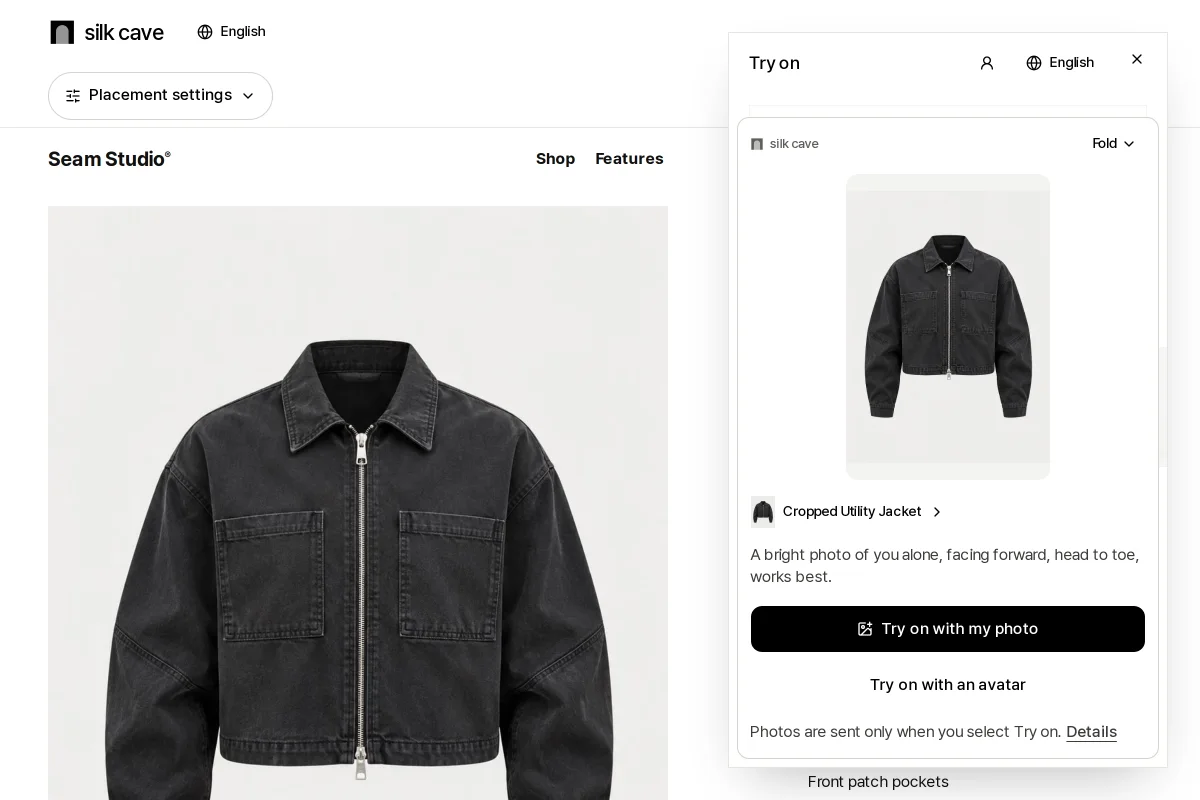 Demo store capture · fictional photosInstall Silk Cave Virtual Try-On on imweb
Add virtual try-on to an imweb site with Silk Cave. Review app permissions, link your site, check product and sizing data, test mobile placement, and learn how to disconnect.